
The best time to catch hydronic boiler problems is before the first cold week, not after the house is already chilly.
This guide covers five warning signs Attleboro-area homeowners notice before winter, plus a simple split: stay on hydronic boiler maintenance when the system still heats, or move to boiler repair when heat fails, leaks appear, or pressure will not hold.
Maintenance or repair?
A yearly tune-up still makes sense when the boiler heats, the gauge stays near 12 to 15 psi when cold, and you are planning ahead of heating season. Skip the wait and book repair if you see water at the boiler, have to refill pressure repeatedly, or rooms stay cold after the system runs.
1Unusual Noises from Your Boiler
A well-maintained hydronic boiler should run quietly, circulating hot water through your radiators or in-floor heating without a fuss. But if you're hearing banging, gurgling, or whistling, it could signal air pockets, mineral buildup, or pressure issues—classic signs your system needs professional hydronic boiler maintenance.
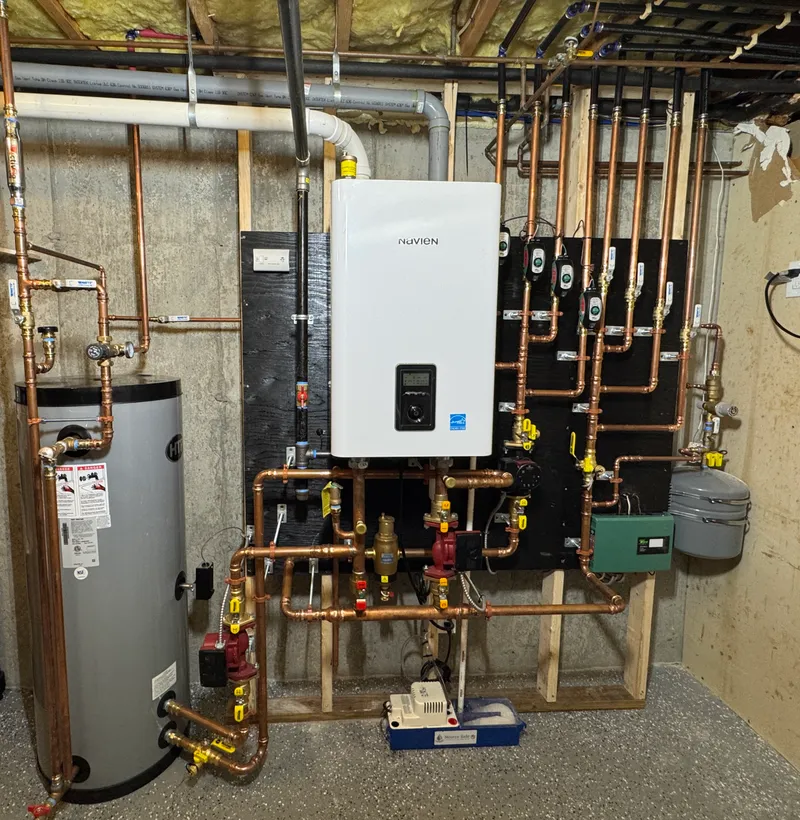
Common sounds and what they mean:
- Banging or kettling: Often caused by limescale deposits in hard water areas like Bristol County. Learn more from the EPA's guide on boiler efficiency.
- Gurgling or whistling: Trapped air in the hydronic lines, which a simple bleed can fix—but ignore it, and efficiency drops.
Mild kettling or air noise before heating season is a tune-up cue. If banging is loud, the boiler lockouts, or heat will not return, use boiler repair in Attleboro. Otherwise schedule a checkup on hydronic boiler maintenance.
2Visible Leaks or Water Pooling
Water is the lifeblood of a hydronic boiler, but when it starts escaping through drips, corrosion, or cracked fittings, it's a clear call for hydronic boiler maintenance. Even small leaks can lead to major water damage or system failure if left unchecked.
Where to check first:
- Around the pressure relief valve: Overpressure can cause bursts; regular checks prevent this.
- Pipes and joints: Look for damp spots or rust, especially in older installations.
Expert Tip
If you spot a leak, turn the boiler off and treat it as a repair call, not a seasonal tune-up. Start with boiler repair. The U.S. Department of Energy notes that catching boiler problems early can help the equipment last longer.
3Inconsistent or Uneven Heating
Your hydronic system should deliver steady warmth throughout your home, but cold spots in radiators or floors point to circulation problems, like a faulty pump or sludge buildup—prime indicators for hydronic boiler maintenance.
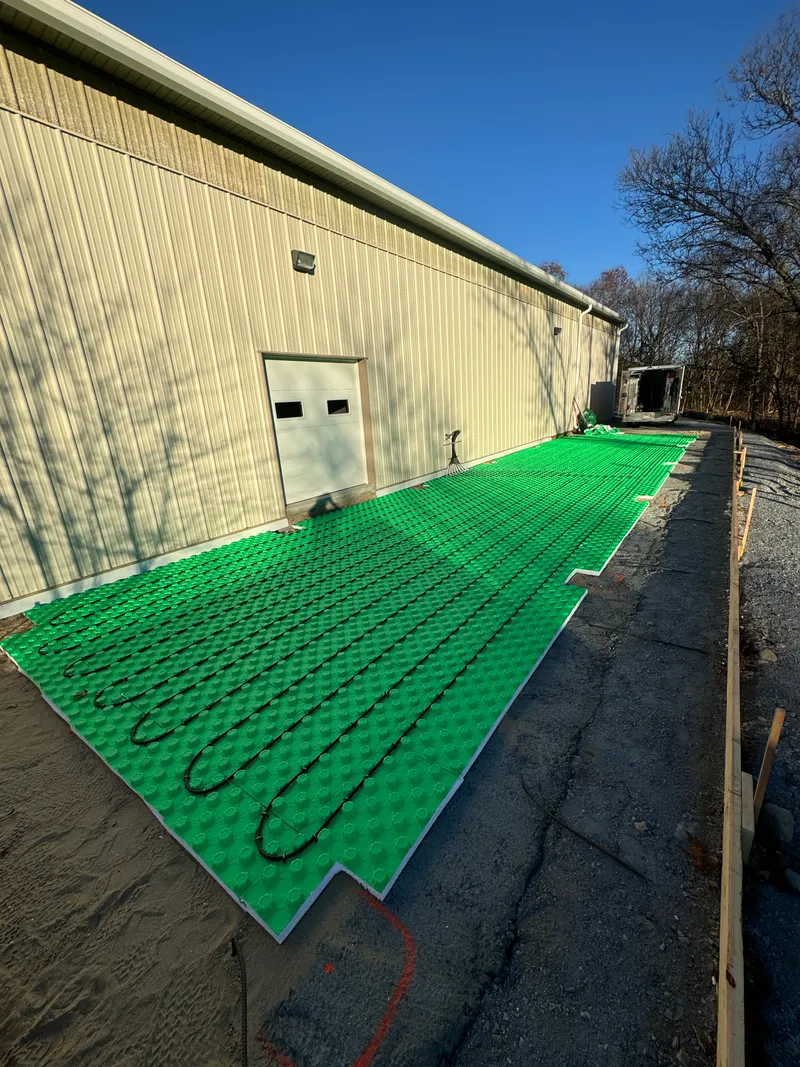
One or two cool radiators after a long idle period can be a maintenance issue such as air in the lines. Whole rooms staying cold after the boiler runs, or heat fading room by room, belong on boiler repair. Pinette often sees this in Attleboro-area homes when a pump, zone, or sludge problem was left until the first cold week.
4Rising Energy Bills Without Explanation
If your heating costs are climbing despite consistent usage, your boiler might be losing efficiency due to worn components or poor insulation in the hydronic lines. Routine maintenance can restore optimal performance and cut those bills.
Why bills spike:
- A dirty heat exchanger forces the boiler to work harder, using up to 20% more fuel per the Boiler Operators Association.
- Thermostat mismatches or air leaks in the system amplify energy waste.
Track usage over a similar weather stretch. A sudden 10 to 15 percent jump with no household change is a maintenance check. If the boiler also short-cycles or fails to heat, use boiler repair instead of waiting for a later tune-up.
5Frequent Short Cycling
Short cycling—when your boiler turns on and off rapidly—stresses the system and can point to low pressure, a thermostat issue, or a circulation problem. Occasional short runs at the start of heating season can still be a maintenance visit. Rapid on/off that continues, or a boiler that never brings the house up to temperature, should go to boiler repair.
Signs of short cycling:
- Clicking on/off every few minutes: Wastes energy and can crack the heat exchanger.
- Boiler runs but home stays cool: Often tied to circulation pump failure.
Why Boiler Maintenance Matters for Attleboro Energy Efficiency
Hydronic boilers can deliver excellent comfort, but only when the system is clean, balanced, and running at the right pressure. In Attleboro homes, we often see maintenance delays lead to circulation problems, dirty components, and avoidable efficiency loss long before the boiler fully breaks down.
Maintenance helps you protect efficiency by:
- Reducing wasted fuel caused by scale, sludge, or restricted circulation.
- Catching worn valves, air issues, or pump performance problems before they create cold spots.
- Helping homeowners avoid emergency replacements during peak heating season.
If your system is older or rooms keep falling out of balance, a pre-winter tune-up on hydronic boiler maintenance can show whether a focused repair is enough or whether boiler installation in Attleboro is the clearer long-term plan.
Flexible Next Steps: Repairs, Replacements, and Financing
Sometimes maintenance uncovers a simple issue, like trapped air or a failing component. Other times, it shows the system is nearing the point where repeated repairs no longer make sense. Pinette walks you through those options clearly so you can decide what fits your home and budget.
Need to plan a larger boiler project?
If a tune-up shows the boiler is aging out, Pinette can walk through repair versus replacement and financing before work begins. Replacement planning belongs on boiler installation in Attleboro. Pinette also partners with Wisetack for qualified customers.
Learn about financing optionsWhat Homeowners Notice After Professional Boiler Service
"Communication was next-level. Texts, photos, and pricing options made every decision easy."
"Hydronic boiler replacement was seamless. Team stayed tidy, hit the timeline, and trained us on the system."
Those same priorities matter on maintenance calls too: clear communication, clean work, and practical guidance on what your system needs now versus what can wait.
When to Call a Professional for Boiler Maintenance
Call sooner when you notice:
- •Repeated resets, loud banging, or heat that fades room by room.
- •Leaks around valves, expansion tanks, or nearby piping.
- •Fuel bills rising even though your daily routine has not changed.
Quality-guided service matters
Professional boiler maintenance is about more than getting the heat back on for the moment. It should leave you with a cleaner system, a clearer explanation of what was found, and confidence that the next step fits the age and condition of the equipment.
Boiler Maintenance FAQs
How often should I schedule hydronic boiler maintenance in Attleboro?
Most hydronic boilers should be inspected and serviced once a year before the heating season. Annual service helps catch wear, restore efficiency, and reduce the risk of winter breakdowns.
What are the most common signs a boiler needs maintenance?
The most common warning signs are unusual noises, visible leaks, uneven heating, rising energy bills, and short cycling. Any of those issues can point to circulation, pressure, or component problems.
Can boiler maintenance improve energy efficiency?
Yes. Routine maintenance can improve efficiency by cleaning components, checking circulation, and catching smaller problems before the boiler has to work harder to produce the same comfort.
When is maintenance enough instead of a repair call?
Stay on hydronic boiler maintenance for a yearly tune-up, mild noise, or a seasonal checkup when the boiler still heats and the cold gauge stays near 12 to 15 psi. Choose boiler repair when you see water at the boiler, pressure keeps dropping, heat fails, or short cycling will not stop.
Final Thoughts on Hydronic Boiler Maintenance
Late summer and early fall are still the easiest time to schedule hydronic boiler maintenance in Attleboro. If these signs are already active—especially leaks, no heat, or falling pressure—use boiler repair first. Annual inspections remain the baseline for keeping hydronic heat reliable through a New England winter.