
Boiler vs. Furnace: Replacement Choices for Attleboro-Area Homes
A practical comparison of hydronic heat and forced air, plus how to decide between repair, replacement, and boiler maintenance.
Quick answer: a furnace heats air and moves it through ducts. A boiler heats water and sends steady warmth through radiators, baseboard, or radiant floors.
For many Attleboro and Bristol County homes, especially older houses already built around radiators or baseboard, hydronic boiler heat often feels more even than forced-air furnace heat. Use this page to compare the two, then decide whether you need a repair, a boiler replacement, or a seasonal maintenance visit.
Radiant Heat: Comfort You Can Feel
Forced air systems heat the air first, then move it through ducts. That can work well in some homes, but it often creates noticeable temperature swings as warm air rises, cool air settles, and rooms feel different after the blower cycles off.
In older homes with less-than-perfect insulation or ductwork, forced air can also lose heat before it reaches the rooms that need it. The moving air may stir up dust and dry out the house during long winter runs.
Hydronic heat is different. It warms water and sends that heat through radiators, baseboard, or radiant floors. Instead of relying only on moving air, the system creates a steadier warmth that many homeowners notice in cold rooms, drafty spaces, and older New England layouts.
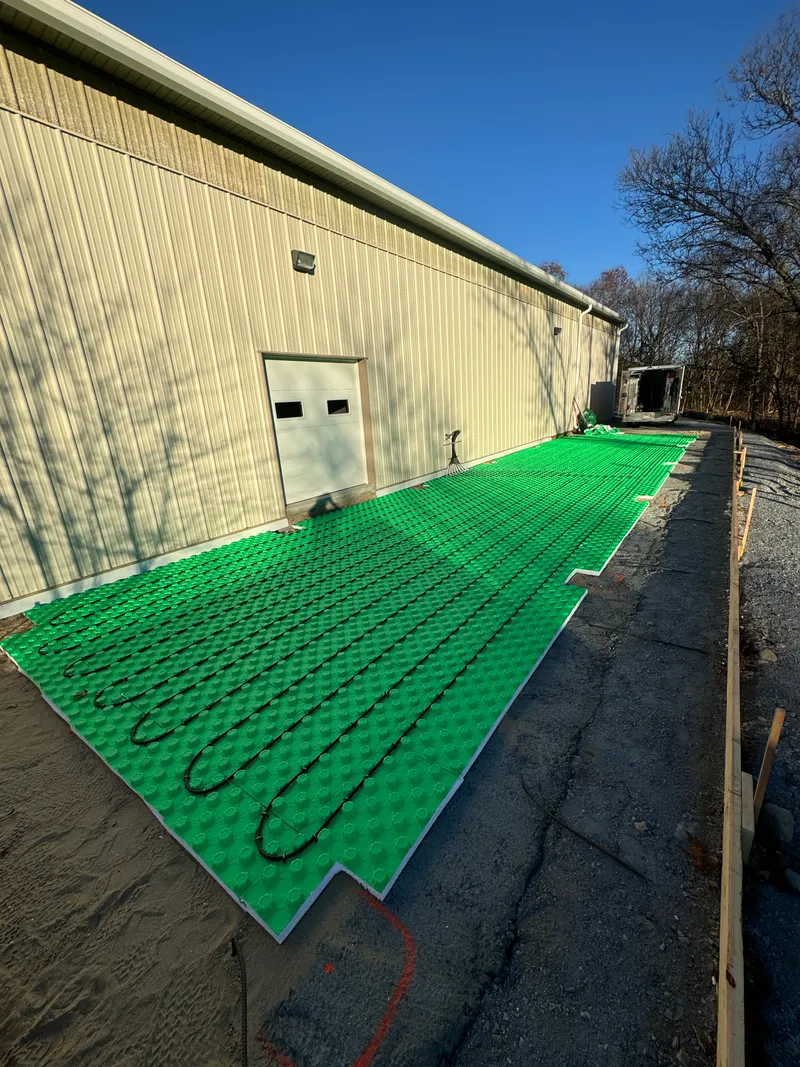
In-floor hydronic heating installation
Radiant floor piping before concrete pour
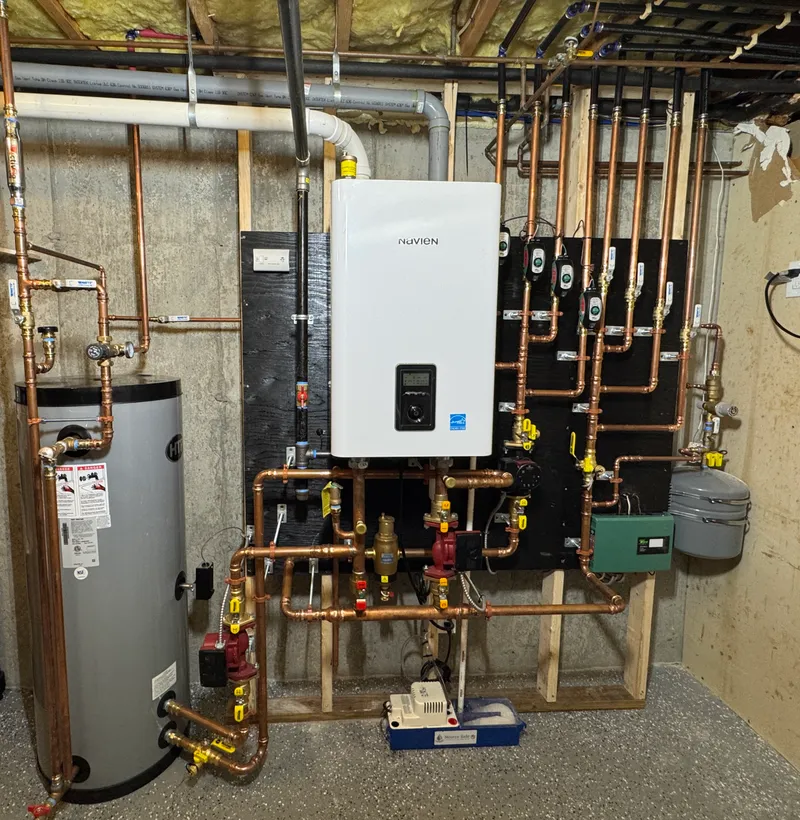
High efficiency boiler system
Modern high-efficiency boiler setup
Efficiency for the Long Term
Water carries heat efficiently and holds it longer than air, which is why a well-designed boiler system can feel steady even during a cold snap. Furnace efficiency depends heavily on duct condition, airflow, and whether the system is sized correctly for the home.
-
Longevity
Cast-iron boilers frequently last 25+ years. Furnaces usually max out at 15-20.
-
Zoning
Easily heat bedrooms and living areas separately without costly damper systems.
Repair, Replace, or Keep the Boiler Healthy?
Attleboro-area homes often already have hydronic piping. The useful question is not only “boiler or furnace,” but whether the current equipment should be repaired, replaced, or tuned up before winter.
Repair first
Stay on repair when rooms are uneven, the boiler has a leak or lockout, or the current unit still has useful life. Start with boiler repair in Attleboro.
Plan a replacement
Replacement fits when the boiler or furnace is aging out, repairs keep repeating, or you want a right-sized hydronic system. Use boiler installation in Attleboro.
Keep it maintained
If the system still heats but pressure, noise, or seasonal performance is slipping, a tune-up can prevent a no-heat call. Review hydronic boiler maintenance.
Switching a furnace to a boiler is a larger project than replacing like for like. Pinette should first look at ducts, piping routes, fuel, and comfort goals before recommending that conversion.
When a Boiler Is the Better Fit
Healthier Air
No ducts means no blowing dust, dander, or dry air. Better for allergies and asthma.
Whisper Quiet
No jet-engine roar when the heat kicks on. Just silent, consistent warmth.
Home Value
Efficient boilers are a major selling point in MA, signaling a quality heating system.
Turn the Comparison into a Heating Plan
Once you know whether repair, replacement, or maintenance is the next move, leave this comparison and use the owner page that matches the job.
Need a boiler replacement?
Use heating installation when the better long-term answer is a right-sized boiler replacement or new hydronic system for an Attleboro-area home.
Boiler installation in AttleboroBoiler has a specific symptom?
Use boiler repair for leaks, noises, lockouts, circulation trouble, and no-heat calls where the current boiler needs diagnosis first.
Boiler repair in AttleboroSystem still heats, but feels tired?
Use hydronic boiler maintenance for seasonal tune-ups, pressure checks, and keeping an otherwise working boiler reliable before a repair or replacement is needed.
Hydronic boiler maintenanceCommon Boiler vs. Furnace Questions
These are the questions homeowners usually ask when comfort, efficiency, and replacement timing are all part of the decision.
Is a boiler better for comfort?
Often, yes. Hydronic heat feels steady because it warms radiators, baseboard, or radiant floors instead of relying on hot air blowing through ducts.
Which system is more efficient?
Either can be efficient when sized and installed well. Boilers are especially worth considering when the home already has hydronic piping and the goal is steady room-by-room comfort.
Should I switch from a furnace?
It depends on the house. A switch can make sense for comfort or zoning, but Pinette should first compare the ducts, piping routes, fuel source, and replacement budget.
When should I replace instead of repair?
Repair first if the boiler still heats and the issue is a leak, lockout, or circulation problem. Replace when the unit is aging out or you want a right-sized boiler installation in Attleboro. If it still runs but needs a seasonal checkup, start with maintenance.
Ready to plan the next heating step?
If you are comparing boiler vs furnace options because an older system is failing, Pinette Plumbing can help you decide whether repair, replacement, or maintenance makes more sense. Use boiler installation in Attleboro if you are planning a hydronic replacement, boiler repair in Attleboro if the current boiler needs diagnosis first, or hydronic boiler maintenance if the system still heats and you want it checked before winter.
Request Service