
When a water heater is ready to retire, Attleboro-area homeowners usually need a clear comparison—not another product brochure.
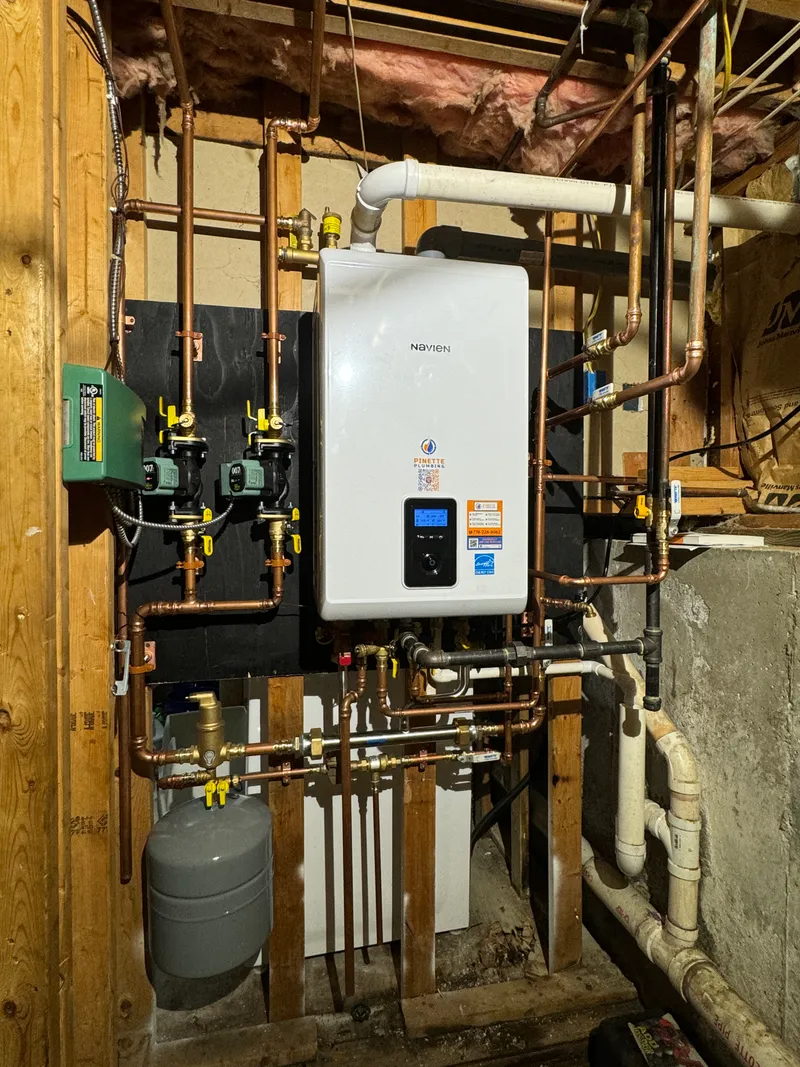
This article helps you weigh a standard tank against a tankless unit using space, usage, venting, recovery, budget, and timing. When you are ready to book, use water heater installation for a standard replacement and tankless water heaters when a continuous-flow upgrade fits.
Which page should you open next?
Use this article to choose tank or tankless. A leaking tank body, a rusty tank near the end of its life, or a planned swap belongs on water heater installation. A dripping valve on a sound tank belongs on repair. A continuous-flow upgrade with time to plan venting belongs on tankless water heaters.
1Walk through these four replacement steps
Attleboro-area homeowners often land here after a leak, a cold shower, or a tank that is simply old. You do not need to pick a brand first. Take these steps in order, then book repair, a standard replacement, or a tankless visit from the answer.
-
1. See whether the current tank can still be repaired
A dripping valve, loose fitting, or pilot that will not stay lit on a tank that still looks sound usually starts with water heater repair. If you woke up to a cold shower and want the morning checklist first, use no hot water this morning. Water at the tank body or seam is a replacement clue, not another part swap—see water heater leaking from the bottom.
-
2. Decide same-style replacement or a tankless upgrade
If you need hot water back with the least redesign—same closet, same vent, same fuel—plan a standard tank on water heater installation. If overlapping showers are the pain and you have time to change venting or gas supply, stay in this article, then open tankless water heaters. Conventional storage tanks often last about 10 to 15 years; treat that as common guidance, not a promise for every unit.
-
3. Check space, venting, and fuel in the home you have
Attleboro basements and utility closets do not all take the same upgrade. If the current location already works, a tank swap is usually the shorter path. Tankless needs a clean wall mount plus the right gas, electric, and vent path. If those pieces are not ready, do not force tankless on an emergency leak day.
-
4. Book the matching visit
Sound tank with a parts issue: water heater repair. Tank-body leak, aging storage tank, or a planned like-for-like swap: water heater installation. Continuous-flow upgrade with time to design it: tankless water heaters. Prefer someone to choose with you on site: request service. This article stays the comparison. The install page is where replacement work is booked.
2Start with how your household uses hot water
Recovery and overlap matter more than brand names. A standard tank stores a set volume and then needs time to reheat. Tankless heats on demand, which can help when showers, laundry, and dishwashers stack up—if the unit and utilities are sized correctly.
Ask yourself:
- Do two showers often run while laundry or dishes are going?
- Is someone regularly waiting for the tank to catch up?
- Is this an emergency swap after a leak, or a planned upgrade with time to design venting and fuel lines?
If you need hot water restored quickly with the least redesign, a standard tank replacement is often the cleaner first answer. If overlapping demand is the pain point and the home can support the upgrade, tankless becomes more realistic.
3Compare space, venting, and utility realities
Attleboro basements, utility closets, and older vent paths do not all handle the same upgrade the same way. The “better” unit is the one your home can support safely.
Standard tank often wins when:
- •The current tank location and venting already work.
- •You want a familiar footprint and a shorter planning path.
- •The leak or failure needs a practical same-style replacement.
Tankless often wins when:
- •You can free floor space and mount a wall unit correctly.
- •Gas supply, electrical service, or venting can be upgraded as needed.
- •You are planning continuous hot water as a longer-term upgrade.
4Weigh budget and replacement timing honestly
Upfront cost is only one piece. A standard tank replacement can be the right call when cash flow, urgency, or simplicity matter most. Tankless can make sense when you are investing in capacity and efficiency and accepting a more involved install scope.
Decision cues that keep the choice practical:
- ✓Emergency leak with no hot water: prioritize a reliable tank path unless the home was already planned for tankless.
- ✓Planned remodel or basement cleanup: a good moment to discuss tankless layout and venting.
- ✓Growing household demand: compare recovery complaints against the cost of a properly sized tankless system.
- ✓Older unit with recurring repair bills: use this comparison before spending more on a failing tank.
5Where to go next on the Pinette site
This page stays the comparison. Once you know the direction, move to the page that books the visit instead of staying in research mode.
Choose water heater installation for a standard tank replacement. Choose tankless water heaters when continuous-flow equipment is the plan. If the current unit may still be worth saving, start with water heater repair or request service and describe the symptoms.
Tank vs tankless FAQs
Is tankless always better than a standard tank water heater?
No. Tankless can be a strong fit when your home has the right gas or electric capacity, venting path, and usage pattern. A standard tank replacement is often clearer when you need a straightforward swap, have limited retrofit room, or want a simpler upfront project.
When should an Attleboro homeowner choose a standard tank replacement?
Choose a standard tank when the current location already works, household demand is predictable, and you want a familiar replacement with a shorter planning path. Start with water heater installation for that route.
When does tankless make more sense?
Tankless often makes more sense when you want continuous hot water for overlapping showers or laundry, can support the venting and fuel needs, and are planning a longer-term upgrade rather than an emergency like-for-like swap. Review the tankless water heaters page before requesting service.
Should I repair this tank or replace it?
Repair a dripping valve or fitting on a tank that still looks sound. Replace when the tank body or seam is leaking, the unit is near the end of a typical 10 to 15 year storage life, or you are already paying for the same failure twice. Water heater installation handles the replacement visit. Water heater repair handles diagnosis when the tank may still be worth saving.
Final thoughts
Tank versus tankless is a home decision, not a contest. Match usage, space, venting, budget, and timing to the equipment you can support, then book the replacement on water heater installation or the upgrade on tankless water heaters. This article helps you choose. It is not the page that sells the install.